Crohn's Flare Loss of Appetite: Why It Happens and What Helps
5 min · Written by a Crohn's patient on biologic therapy
The fridge is full. You open it three times in an hour, close it, and walk away. During a Crohn's flare, loss of appetite is not laziness or a willpower problem. It is a direct effect of inflammation on the gut and the brain, and it can be one of the most exhausting symptoms to deal with because it makes everything else worse.
This article is written for informational purposes and reflects personal patient experience. It does not replace medical advice. Always consult your gastroenterologist before changing your treatment.
Why a Crohn's flare causes loss of appetite
When the small bowel or colon is inflamed, the body floods with cytokines, mostly TNF-alpha, IL-1 and IL-6. These chemicals do their job locally but they also reach the hypothalamus, the part of the brain that regulates hunger. The result is a strong anorexigenic signal that suppresses the desire to eat. A 2023 review in the Journal of Crohn's and Colitis describes this loop in detail.
On top of the brain signal, three other things happen at the same time:
- Pain after eating. Active inflammation makes the bowel cramp when food arrives. The brain quickly learns that eating equals pain.
- Slowed transit and nausea. Stomach emptying drops, which keeps you feeling full for hours after a small bite.
- Altered taste. Many patients report metallic or bland taste during a flare, often linked to zinc deficiency or steroid treatment.
So the question is not "why won't I eat" but "why would I, given what eating costs right now". Recognising this is the first step. The Crohn's flare loss of appetite pattern is a symptom, not a discipline failure.
How to tell flare-driven appetite loss from something else
Not every drop in appetite during Crohn's is the flare itself. A few common causes get mixed up:
- Active inflammation: appetite drops with diarrhoea, abdominal pain, fatigue, and sometimes fever.
- Steroid taper: prednisone usually boosts hunger, then crashes it as you taper. The dip can last 2 to 3 weeks.
- Biologic infusion week: some patients feel nauseous and skip meals for 24 to 48 hours after Infliximab or Vedolizumab.
- Bacterial overgrowth (SIBO): bloating, fullness after two bites, no relief from a flare-style diet.
- Bowel stricture: appetite loss with vomiting and a "blocked" feeling after eating, even outside an obvious flare.
If your appetite stays low while CRP and calprotectin are normal, the cause is probably not active inflammation. That conversation belongs with your gastroenterologist, not on a forum.
What to eat when you have no appetite
The standard advice "eat small frequent meals" is correct but useless without specifics. During a flare, target 1 500 to 2 000 calories spread across 6 to 8 micro-meals. The food should be low-residue, low-fat, lactose-free if your gut is sensitive.
Foods that usually go down
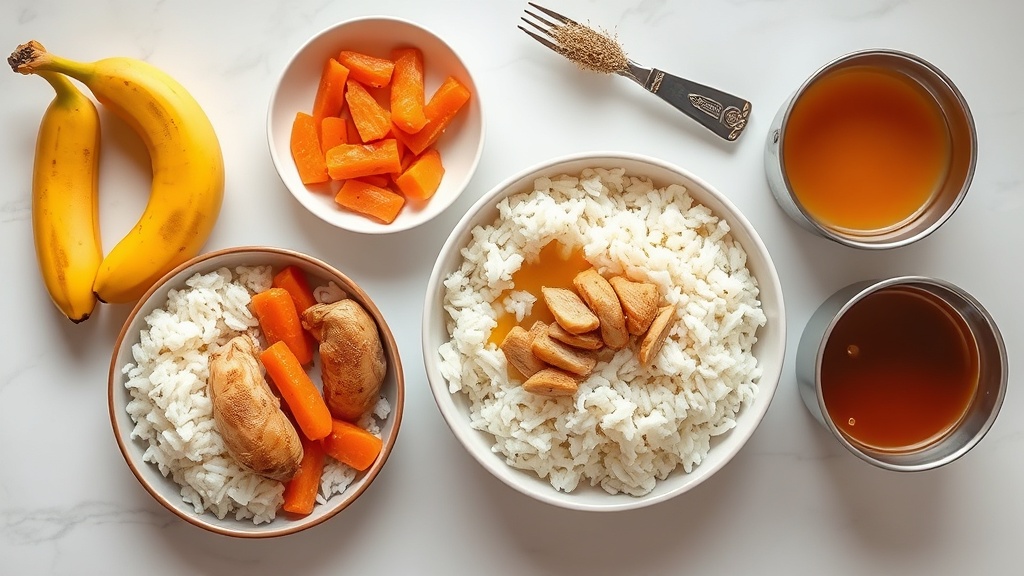
- White rice with a poached egg and a teaspoon of olive oil
- Mashed banana with smooth peanut butter
- Plain Greek yogurt (lactose-free) with maple syrup
- Chicken broth with overcooked carrots and pastina
- Sourdough toast, butter, a little honey
- White fish baked plain with white potato
Foods to skip during the flare
- Raw vegetables, salads, leafy greens
- Whole grains, seeds, nuts, popcorn
- Beans, lentils, cabbage family
- Fried food, heavy red meat
- Coffee on an empty stomach, alcohol, fizzy drinks
When solid food is too much
If you cannot face plates, switch to liquid calories. Oral nutrition supplements (Ensure, Fortimel, Modulen IBD) deliver 250 to 400 kcal per bottle and digest easily. The Crohn's & Colitis Foundation diet page lists exclusive enteral nutrition as an evidence-based option, especially in paediatric Crohn's. Some adults use partial enteral nutrition during flares to avoid weight loss without forcing solid meals.
Tracking that actually helps
If you have lived with Crohn's for more than a year, you know that "I barely ate today" is not enough information for your gastroenterologist. Useful data looks like this:
| Day | Calories | Pain after eating (0-10) | Stool count | Weight |
|---|---|---|---|---|
| Day 1 | 900 | 6 | 5 | 62.4 kg |
| Day 2 | 1100 | 5 | 4 | 62.1 kg |
| Day 3 | 1400 | 3 | 3 | 62.2 kg |
Three numbers and a trend tell your gastro more than a paragraph. If weight drops more than 2 kg in a week, that is a flag. If pain after eating stays above 5, the diet is not the issue, the flare is. Logging this for two weeks gives you a real conversation, not a vague one.
Medications and appetite during a Crohn's flare
Two classes of drug interact directly with appetite:
- Corticosteroids (prednisone, budesonide): increase hunger within 48 hours, sometimes a lot. The downside is a sharp dip during the taper. Plan ahead.
- Anti-TNF biologics (Infliximab, Adalimumab): as inflammation drops over 2 to 6 weeks, appetite usually returns. If it does not, the response may be partial.
Anti-emetics (Ondansetron, Metopimazine) are sometimes prescribed short-term when nausea blocks every attempt to eat. They are not a long-term answer but they buy you a few days to get calories in. Discuss this with your gastro before reaching for over-the-counter options, especially if you take other meds.
Red flags: when to stop managing this at home
Loss of appetite alone is rarely an emergency. Combined with these signs, it is:
- Weight loss of more than 5 percent of your body weight in 4 weeks
- Inability to keep liquids down for 24 hours
- Vomiting after eating, especially if linked to abdominal distension (possible stricture)
- Fever above 38.5 degrees Celsius lasting more than 48 hours
- Black or bloody stools, or a sudden change in bowel pattern
- Light-headedness on standing (possible dehydration or anaemia)
The Crohn's & Colitis Foundation symptom overview lists similar warning signs. When two or more appear together, call your IBD nurse line or go to the ED. This is the part of a flare you do not bargain with.
Practical plan for the next 7 days
- Day 1-2: set six alarms a day, eat a 200 to 300 kcal portion at each. Liquid is fine.
- Day 3-4: log calories, pain after eating, and weight in the morning. Same time, same scale.
- Day 5-7: if calories trend below 1 200 or weight drops more than 1 kg, message your gastro. Bring the log.
Most flare-related appetite loss responds within a week of the right treatment adjustment. If yours does not, the issue is upstream: either the flare is not controlled, or there is a structural cause. Either way, that is a conversation, not a diet plan.
Frequently asked questions
Why do I lose my appetite during a Crohn's flare?
Inflammation releases cytokines like TNF-alpha and IL-6 that suppress hunger signals in the brain. Pain after eating, nausea, and a slowed gut also push you to avoid food. The combination is normal during a flare but should not last weeks without medical input.
How long does the loss of appetite last in a Crohn's flare?
Appetite usually returns within 3 to 7 days after the flare is brought under control with steroids or biologics. If you are still skipping meals after two weeks, ask your gastroenterologist about treatment adjustments and nutritional support.
What should I eat when I have no appetite during a Crohn's flare?
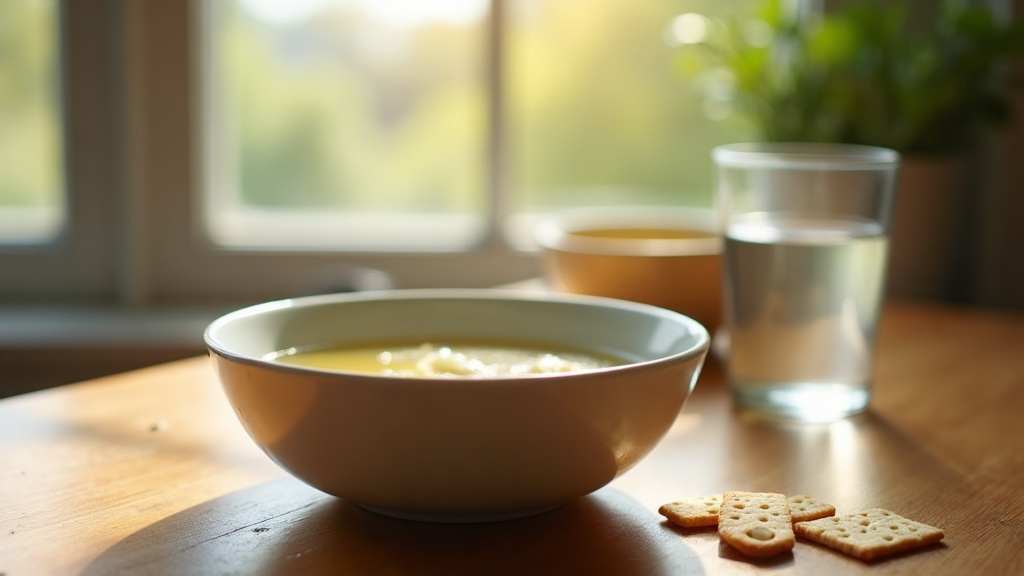
Pick small, low-residue foods every 2 to 3 hours: white rice, eggs, bananas, plain crackers, lactose-free yogurt, oral nutrition drinks like Ensure or Modulen. Calories matter more than the food being "perfect" right now.
When should I call my doctor about appetite loss?
Call if you have lost more than 5 percent of your body weight in a month, cannot keep liquids down for 24 hours, have a fever above 38.5 degrees Celsius, or feel dizzy when standing. These signs may mean you need IV fluids or hospital care.
Can stress make appetite loss worse during a flare?
Yes. Stress slows digestion, raises pain perception, and feeds the anxiety loop around eating. Logging stress alongside appetite often shows the link, which is why gastroenterologists recommend tracking both during a flare.
Related reading: how to recognise the early signs of a Crohn's flare, what to expect from biologic therapy side effects, and the best diet during a Crohn's flare.