Crohn's Disease and Alcohol: What You Can Drink and What to Avoid
Medically reviewed by a board-certified gastroenterologist. Last updated: April 2026.
Can you drink with Crohn's? The honest answer is: it depends. On your disease location, your current state, your medications, and how your body reacts. Most gastroenterologists will not tell you to never drink again. But they will tell you to be smart about it.
Research shows that up to 75% of IBD patients report drinking alcohol, yet many find it triggers gut-related symptoms. Understanding exactly how alcohol interacts with Crohn's disease helps you make informed choices rather than guessing.
Disclaimer: This article is based on personal patient experience and published research. It does not replace your doctor's advice. Always consult your gastroenterologist before making changes to your habits.
How Alcohol Affects the Gut in Crohn's Disease
Alcohol irritates the lining of the gastrointestinal tract. In a healthy gut, this irritation is minor and temporary. In a gut with Crohn's, where the mucosal barrier is already compromised, alcohol can amplify inflammation and increase intestinal permeability.
Disruption of the Gut Microbiome
A 2017 study published in Alcohol Research found that alcohol disrupts the gut microbiome, increases bacterial translocation across the intestinal wall, and triggers immune responses that can worsen IBD activity. More recent 2024 research published in Gut Microbes confirmed that chronic alcohol consumption causes intestinal dysbiosis that shares remarkable similarities with IBD, including the expansion of colitogenic bacteria such as Allobaculum species, which have been isolated from IBD patients.
Increased Intestinal Permeability ("Leaky Gut")
Alcohol damages tight junction proteins (like occludin) that hold your intestinal cells together. A 2025 study in Scientific Reports demonstrated that even moderate alcohol doses can cause measurable leaky gut through dysbiosis and enterocytic mitochondrial interference, leading to pro-inflammatory macrophage activation. For someone with Crohn's, where the intestinal barrier is already weakened, this effect is compounded.
Pre-Oxidant Effects
Alcohol acts as a pre-oxidant in the gut, generating reactive oxygen species (ROS) that damage intestinal cells and promote inflammation. This oxidative stress is additive to the chronic inflammation already present in Crohn's disease, creating a cycle that can accelerate tissue damage.
In practical terms: alcohol can increase stool frequency, worsen diarrhea, trigger cramping, and dehydrate you faster because your gut is already losing fluids through inflammation.
Alcohol During a Flare vs. During Remission
During a Flare: Avoid Completely
During a flare, avoid alcohol completely. Your gut is actively inflamed, your medication needs to work without interference, and dehydration from diarrhea is already a risk. Adding alcohol to this mix is pouring fuel on a fire.
During Stable Remission: Proceed With Caution
During stable remission, many patients tolerate moderate alcohol without triggering symptoms. The key word is moderate, and what "moderate" means varies widely between patients. Some tolerate a glass of wine with dinner without issues. Others react to any amount.
A survey published in Inflammatory Bowel Diseases (2019) found that about 75% of IBD patients reported drinking alcohol, but those who drank more frequently were more likely to report symptom worsening. Another study found that alcohol intake 1-3 times per week increases the risk of relapse by 271%.
Which Types of Alcohol Are Better Tolerated
Beer: Often the Worst Choice
Beer is often the worst tolerated option. Carbonation causes bloating, gluten content can irritate some patients, and the volume consumed tends to be higher. If you have strictures, the gas from carbonation adds extra risk.
Can You Drink Wine with Crohn's Disease?
Yes, small amounts of wine are generally better tolerated than beer for most Crohn's patients in remission — but with important caveats. Wine contains no carbonation and no gluten, which removes two of beer's main irritants. However, sulfites and tannins (especially in red wine) can trigger inflammation in sensitive patients.
White wine tends to be gentler than red wine for Crohn's. Research has shown that sulfites in wine increase the risk of relapse by 276%, so sulfite-free or low-sulfite wines are the safer choice if you choose to drink.
A 2020 study in the European Journal of Gastroenterology & Hepatology found that red wine in small quantities showed the least impact on IBD symptoms compared to beer and spirits, though individual responses varied significantly. A 2011 study in the American Journal of Gastroenterology also found that moderate red wine consumption did not increase inflammation markers in inactive IBD patients.
Practical wine guidance for Crohn's:
- White wine over red wine — lower in tannins and often in sulfites
- Organic or low-sulfite wines reduce the 276% relapse risk associated with sulfites
- Maximum 1 glass during remission — never during a flare
- Avoid sweet wines — high sugar content adds a second inflammatory hit
Spirits: Lower Volume, Fewer Additives
Spirits like vodka, gin, and whiskey involve a lower volume per serving, meaning less liquid for your gut to process. Avoid sugary mixers (soda, juice) and opt for water or soda water instead. Clear spirits tend to have fewer additives that could trigger reactions.
Cocktails With High Sugar: A Triple Hit
Sugar and artificial sweeteners can worsen diarrhea independently of the alcohol. A margarita or daiquiri combines alcohol, sugar, and citrus acid, which is a triple hit on an inflamed gut.
Alcohol and Crohn's Medications: What You Need to Know
Methotrexate
This is the most serious interaction. Both methotrexate and alcohol are processed by the liver. Combining them significantly increases the risk of liver damage, including hepatic fibrosis. Most gastroenterologists recommend avoiding alcohol entirely while on methotrexate, or limiting to 1-2 drinks per week maximum.
Azathioprine / 6-MP (Imuran, Purinethol)
These immunosuppressants are also metabolized by the liver. While the interaction is less severe than methotrexate, heavy drinking increases liver toxicity risk. Moderate consumption is usually acceptable, but monitor your liver function tests regularly.
Corticosteroids (Prednisone, Budesonide)
Alcohol and steroids both irritate the stomach lining. Combining them increases the risk of gastric ulcers and GI bleeding. If you are on a steroid course for a flare, avoid alcohol until you have tapered off.
Biologics (Infliximab, Adalimumab, Ustekinumab, Risankizumab)
There is no direct pharmacological interaction between biologics and alcohol. However, alcohol can undermine the effectiveness of your treatment by increasing inflammation independently. Your biologic works to reduce inflammation; alcohol works to increase it. Think of it as one step forward, one step back.
Antibiotics (Metronidazole / Flagyl, Ciprofloxacin)
Absolutely no alcohol with metronidazole. This combination causes severe nausea, vomiting, flushing, and rapid heart rate (disulfiram-like reaction). Wait at least 48 hours after your last dose before consuming any alcohol.
The Stress-Anxiety-Alcohol Cycle
Many Crohn's patients turn to alcohol to manage stress and social anxiety, especially when living with a chronic illness feels isolating. But this creates a damaging cycle:
- Stress and anxiety trigger gut inflammation through the brain-gut axis
- Alcohol provides temporary relief from anxiety but disrupts sleep quality
- Poor sleep and alcohol's inflammatory effects worsen Crohn's symptoms
- Worsened symptoms increase stress, restarting the cycle
If you find yourself drinking primarily to cope with the emotional burden of Crohn's, consider speaking with a therapist who understands chronic illness. Cognitive behavioral therapy (CBT) has shown effectiveness for managing both IBD-related anxiety and alcohol use patterns.
Alcohol-Related Complications in Crohn's
Beyond triggering flares, regular alcohol consumption can cause specific complications in Crohn's patients:
- Anemia: Alcohol impairs iron and folate absorption, compounding the anemia already common in Crohn's disease. If your ferritin is already low, alcohol makes it worse.
- Gastritis and ulcers: Alcohol irritates the upper GI tract. Combined with Crohn's involvement or NSAID use, this significantly increases ulcer risk.
- Dehydration and electrolyte imbalance: Crohn's patients already lose fluids through diarrhea. Alcohol acts as a diuretic, creating a double dehydration effect that can lead to kidney stress and electrolyte abnormalities.
- Nutrient malabsorption: Alcohol interferes with the absorption of B vitamins, zinc, and magnesium, nutrients that are already poorly absorbed in Crohn's patients with ileal involvement.
- Increased infection risk: Alcohol suppresses the immune system. If you are already on immunosuppressive therapy, this combined effect increases your vulnerability to infections.
How to Test Your Tolerance
- Start small. Half a glass of wine or a single spirit with water. Not a full night out.
- Track everything. Log what you drank, how much, what you ate alongside it, and your symptoms for the next 48 hours. An app like Crohnly can help you log drinks alongside symptoms and spot patterns over time.
- Test one type at a time. Do not mix beer, wine, and spirits in one session and then try to figure out which one caused problems.
- Repeat the test. One bad reaction could be coincidence (stress, food, sleep). Two reactions to the same drink is a pattern.
- Respect the result. If wine consistently triggers symptoms, wine is off the list. Do not keep testing hoping for a different outcome.
Practical Tips for Social Drinking With Crohn's
- Eat before and during drinking. Food slows alcohol absorption and reduces direct contact with your gut lining. A safe, low-residue meal before going out is your first line of defense.
- Alternate with water. One alcoholic drink, one glass of water. This reduces total alcohol intake and fights dehydration.
- Know where the bathrooms are. This applies to every social situation with Crohn's, but especially when alcohol is involved.
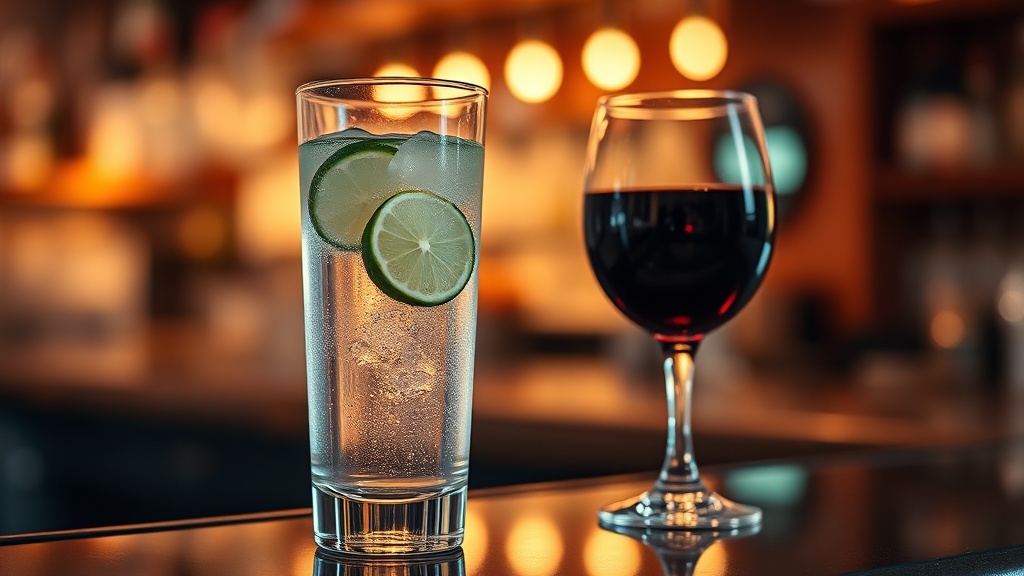
- Have a non-alcoholic option you actually like. Sparkling water with lime, alcohol-free beer, or mocktails. This way you are not pressured into drinking more than you planned.
- Set a limit before you start. "I will have two glasses of wine tonight" is easier to follow if you decide it before the first sip, not after the third.
- Do not feel obligated to explain. "I'm not drinking tonight" is a complete sentence. You do not owe anyone your medical history.
When to Stop Drinking Entirely
Consider cutting alcohol completely if any of the following apply:
- You are in an active flare
- You are taking methotrexate or metronidazole
- Your liver enzymes (ALT, AST) are elevated on blood work
- You notice a consistent pattern of symptoms after drinking, regardless of type or amount
- You are preparing for or recovering from surgery
- Alcohol worsens your anxiety or mental health, which then worsens your Crohn's
- You are pregnant or planning to become pregnant
- You are experiencing malnutrition or significant weight loss
When Drinking Becomes a Problem
Living with a chronic illness increases the risk of unhealthy coping mechanisms, including alcohol dependence. Warning signs to watch for:
- Drinking alone to cope with pain or frustration about your disease
- Needing more alcohol to achieve the same relaxation effect
- Continuing to drink despite knowing it worsens your symptoms
- Hiding your alcohol consumption from your doctor or family
- Feeling unable to socialize without alcohol
If any of these apply, talk to your gastroenterologist or primary care doctor. They can refer you to appropriate support without judgment. Resources like SAMHSA's National Helpline (1-800-662-4357) provide free, confidential support 24/7.
The Bottom Line on Alcohol and Crohn's
Alcohol and Crohn's can coexist for many patients, but it requires self-awareness, tracking, and respect for your body's signals. The safest approach is to test systematically during stable remission, stick to small quantities of drinks you have confirmed are tolerable, and cut alcohol completely during flares or when on medications that interact badly.
Your gastroenterologist should know about your drinking habits so they can factor it into your treatment plan. There is no shame in choosing not to drink, and there is no need to feel guilty about having an occasional drink in remission if your body tolerates it.
Frequently Asked Questions
Can alcohol cause a Crohn's flare?
Alcohol alone is unlikely to trigger a flare in well-controlled disease. But it can be a contributing factor alongside other triggers like stress, poor sleep, or missed medication. Studies show that alcohol intake 1-3 times per week increases relapse risk by 271%. Frequent heavy drinking increases flare risk significantly.
Is wine or beer better for Crohn's?
Generally, small amounts of wine (especially red wine) appear to be better tolerated than beer. Beer's carbonation and gluten content cause more bloating and irritation. However, sulfites in wine can trigger flares in sensitive patients. If you must choose, try a small glass of low-sulfite wine before trying beer.
Is non-alcoholic beer safe with Crohn's?
Non-alcoholic beer removes the alcohol problem but retains carbonation and gluten, which can cause bloating and irritation in some patients. It is a better option than regular beer, but not guaranteed to be symptom-free. Gluten-free non-alcoholic options are the safest bet.
How long should I wait after a flare before drinking again?
Wait until your symptoms have fully settled and your inflammation markers (CRP, calprotectin) are back to your baseline. This usually means at least 2-4 weeks after your last flare symptom. Start with a small amount when you do resume, and track your response.
Does alcohol affect my biologic treatment?
There is no direct drug interaction, but alcohol increases gut inflammation independently. If you are on a biologic to control inflammation, regular alcohol use works against your treatment. Occasional moderate drinking during stable remission is unlikely to significantly impact your biologic's effectiveness.
Can alcohol cause Crohn's disease?
Current research does not show that alcohol causes Crohn's disease. A large prospective study found no association between overall alcohol consumption and IBD risk. However, once diagnosed, alcohol can worsen disease activity and trigger flares in susceptible individuals.
How much alcohol is safe with Crohn's?
There is no universally safe amount. Some patients tolerate 1-2 drinks per week without issues, while others react to any alcohol. The safest approach is to test individually during remission, starting with small amounts, and track your symptoms carefully. If in doubt, less is always better.
References
- Engen PA, Green SJ, et al. "The Gastrointestinal Microbiome: Alcohol Effects on the Composition of Intestinal Microbiota." Alcohol Research, 2015;37(2):223-36.
- Swanson GR, et al. "Pattern of alcohol consumption and its effect on gastrointestinal symptoms in inflammatory bowel disease." Alcohol, 2010;44(3):223-8.
- Mantzouranis G, et al. "Alcohol Use in Patients With Inflammatory Bowel Disease." Gastroenterology & Hepatology, 2021;17(5 Suppl 3):1-28.
- Swanson GR, et al. "Is moderate red wine consumption safe in inactive inflammatory bowel disease?" Digestion, 2011;84(3):238-44.
- Hey GE, et al. "Associations between diet and disease activity in ulcerative colitis patients." Nutrition Journal, 2005;4:7.
- Tianzhi Y, et al. "Chronic binge drinking-induced susceptibility to colonic inflammation is microbiome-dependent." Gut Microbes, 2024;16(1):2392874.
- Mehta AJ, et al. "Alcohol-induced gut permeability defect through dysbiosis and enterocytic mitochondrial interference." Scientific Reports, 2025;15:15927.
- Frontieres in Nutrition. "Risk of inflammatory bowel disease appears to vary across different frequency, amount, and subtype of alcoholic beverages." Frontiers in Nutrition, 2022;9:918754.
- Sigall-Boneh R, et al. "Research in context: dietary triggers and intestinal inflammation in IBD." European Journal of Gastroenterology & Hepatology, 2020.
- Jess T, et al. "The Role of Alcohol Use in the Development of Crohn's Disease Complications: A Retrospective Analysis." Inflammatory Bowel Diseases, 2024;30(Suppl 1):S28.